Last updated: 7 March 2026
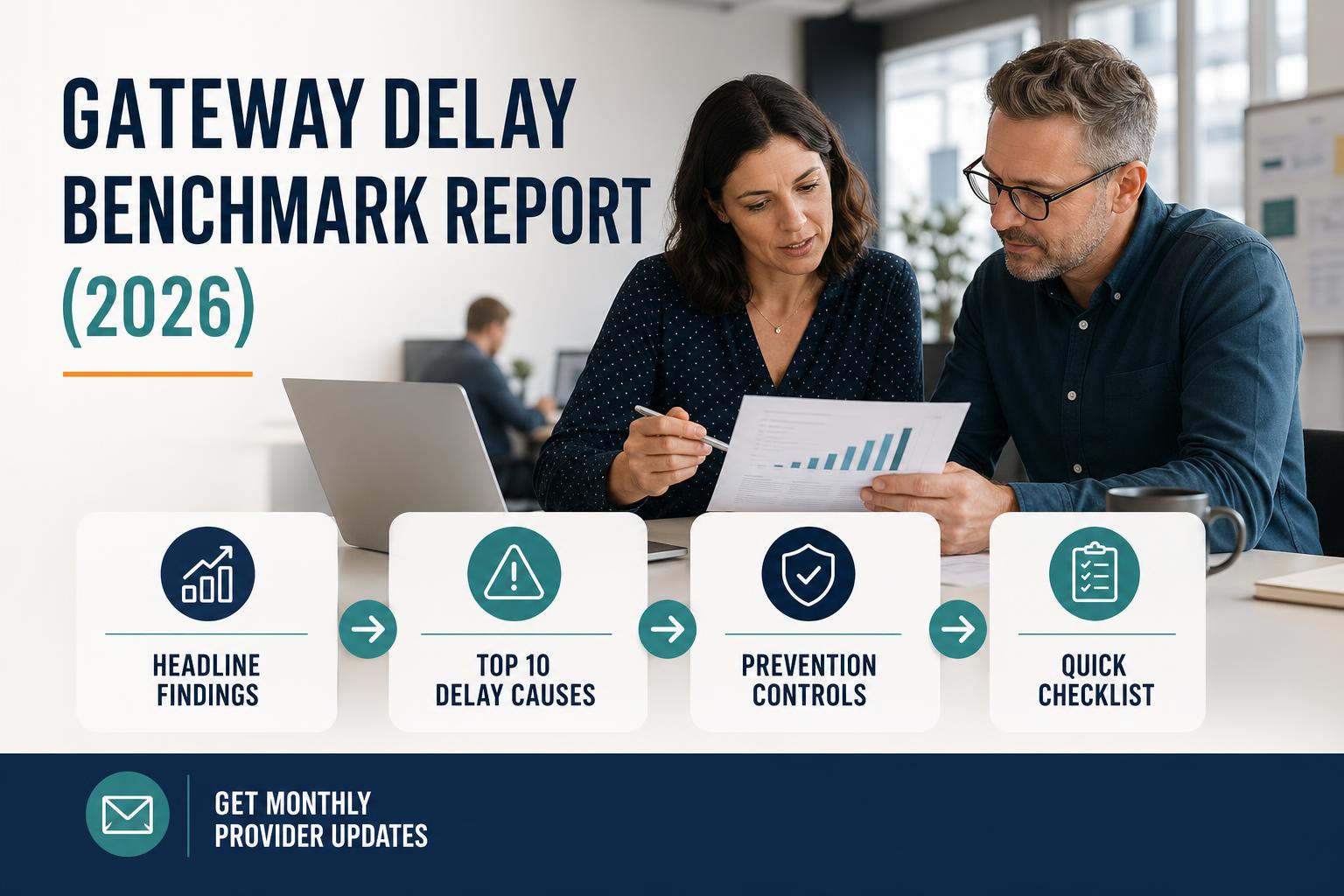
Headline findings
Most gateway delay is operational, not academic. The dominant causes are process consistency gaps, late risk detection, and low confidence in evidence quality close to gateway.
10
Recurring delay causes tracked
4
Control categories used in high-performing teams
1
Primary rule: detect risk earlier
Top 10 gateway delay causes
- Late discovery of incomplete KSB evidence coverage.
- OTJ hours pace drift not escalated early enough.
- Progress reviews completed, but not actioned with accountable owners.
- Inconsistent tutor standards for evidence quality threshold.
- English and Maths milestones tracked too late in programme lifecycle.
- Mandated qualification dependencies not monitored in one view.
- Employer actions delayed due to weak engagement workflow.
- Gateway checklist built too close to submission window.
- IQA issues identified late with no remediation runway.
- Data spread across multiple systems with manual reconciliation.
Prevention controls used by stronger teams
1. Live readiness scoring
Teams with lower delay rates maintain a live readiness signal per learner, refreshed continuously, not only before final gateway checks.
2. Monthly risk review cadence
High-performing providers run a fixed monthly risk review with delivery, quality, and compliance representation.
3. Standardised evidence thresholds
Define minimum evidence standard for each KSB and enforce it consistently through tutor moderation and IQA review.
4. Controlled gateway sign-off workflow
Use explicit pre-gateway sign-off gates with accountability for unresolved dependencies before submission.
Quick implementation checklist
- Build a live gateway risk dashboard by cohort and standard.
- Run monthly risk meetings with named action owners.
- Standardise evidence quality rubric across tutor teams.
- Track OTJ pacing with early intervention triggers.
- Create mandatory pre-gateway sign-off checklist and approval gates.